
I was mid-match in Valorant when a random player started talking about his RTX 5080. He asked for my specs. I said I use an EVGA RTX 3080, and he called my parts outdated. He’s right, but my games still run great, so I’m not upgrading yet.
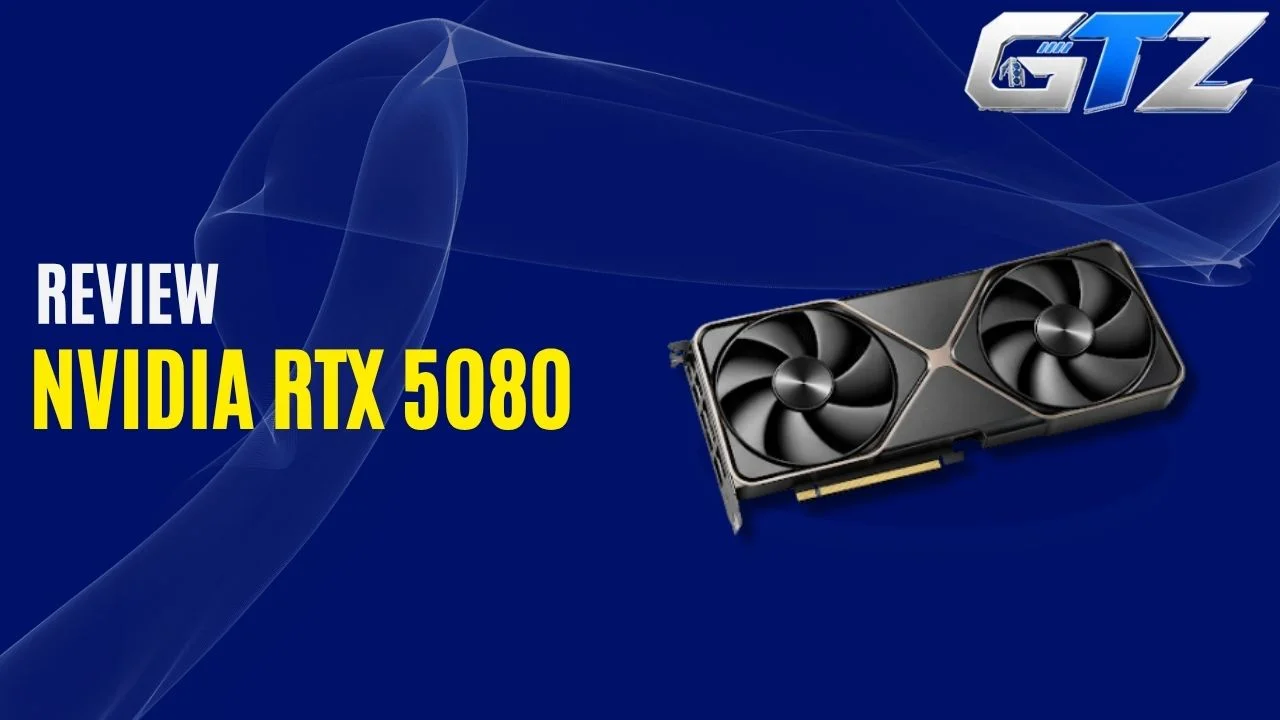
Still, I got curious. I spent time reading reviews and comparing dozens of 4K benchmarks. In this guide, I’ll break down the RTX 5080, its specs, real gaming performance, latest price, and rivals like the 4090.
You’ll also learn whether the melting rumors are true and who should actually buy it.
My Quick Answer
The RTX 5080 is a strong 4K card. It delivers excellent frame rates, and DLSS 5 with Multi Frame Generation pushes them higher. However, 16GB of VRAM draws criticism, and street prices sit well above the MSRP. For most 4K gamers, it’s a good buy. For anyone who flips GPUs, today’s prices carry real resale risk.
What is the Nvidia RTX 5080 FE?
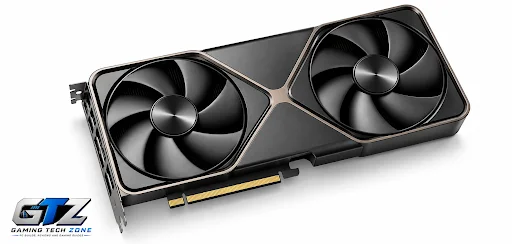
The Founders Edition is Nvidia’s own version of the GeForce RTX 5080. It’s a Blackwell-based GPU built mainly for 4K gaming, with 16GB of GDDR7 memory and a compact two-slot cooler.
When Was 5080 FE Launched?
The RTX 5080 launched on January 30, 2025, after Nvidia announced it at CES on January 6, 2025. Laptop versions and extra variants followed in March 2025.
Specifications of the RTX 5080 FE
| Spec | RTX 5080 |
|---|---|
| GPU | Blackwell GB203 |
| CUDA cores | 10,752 |
| RT / Tensor cores | 84 (4th gen) / 336 (5th gen) |
| Base / boost clock | 2.30 GHz / 2.62 GHz |
| Memory | 16GB GDDR7, 256-bit, 30 Gbps |
| Memory bandwidth | 960 GB/s |
| Interface | PCIe 5.0 x16 |
| Total graphics power | 360W |
| Recommended PSU | 850W |
| Power connector | 1x 12V-2×6, with a 3x 8-pin adapter |
| Outputs | 3x DisplayPort 2.1b, 1x HDMI 2.1b |
| Max display | 4K at 480Hz or 8K at 120Hz (with DSC) |
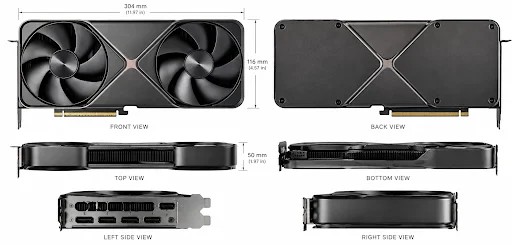
| Size | 304 mm long, 137 mm tall, 2-slot |
Some spec sheets list a 316.5 mm length and a thicker cooler. Those belong to partner cards, not the Founders Edition.
Features of the RTX 5080 FE
The 5080 packs Blackwell’s AI-first tools. These four matter most in daily gaming.
1. DLSS 5
DLSS 5 is Nvidia’s newest neural rendering tech. It launched September 3, 2026, on RTX 50 cards, starting with NBA 2K27. Nvidia says it costs 50% to 60% of your frame rate, according to Tom’s Hardware.
What to know:
- NBA 2K27 was the only supported game at launch
- Nvidia plans RTX 40 support once RTX 50 performance is tuned
- Early reactions are mixed: praise for visuals, criticism for the frame-rate cost
3. Improved Cores
The 5080 has 10,752 CUDA cores, about 5% more than the 4080 Super’s 10,240. The bigger jump is memory bandwidth: 960 GB/s versus 736 GB/s, thanks to GDDR7.
Key upgrades:
- 84 fourth-gen RT cores and 336 fifth-gen Tensor cores
- PCIe 5.0 and DisplayPort 2.1b support
- Caveat: raw raster gains over the 4080 Super are modest
3. Multi-Frame Generation
Multi Frame Generation inserts extra AI frames between rendered ones. DLSS 4 allowed up to 4x. DLSS 4.5 Dynamic Multi Frame Generation raises that to 6x on RTX 50 cards, per Nvidia.
Best for: high-refresh 4K monitors and path-traced games.
Issue: Generated frames can’t fix a rough base frame rate. Start from a stable one, because the game won’t feel like a true high-FPS experience.
4. Design
The Founders Edition is a dual-fan, two-slot card. Unlike the bulky 4080 Founders Edition, it fits regular cases easily.
Why it matters:
- Reviewers describe it as cool and quiet
- Nvidia includes a three-8-pin to 12V-2×6 adapter
- Supply is limited, so stock disappears fast
Is RTX 5080 Good for Gaming?
Yes. The RTX 5080 is built for 4K gaming and delivers excellent results there. In the benchmarks I reviewed, it hit about 98 FPS in Resident Evil Requiem and held 55 to 63 FPS in heavy titles like Alan Wake 2 and Stalker 2. The toughest ray-traced games still need upscaling.
4K Gaming Benchmarks
At native 4K, the 5080 sat near 97% to 99% GPU usage with temperatures from 60°C to 68°C. In short, it ran flat out without overheating.
| Game | FPS | GPU usage | Temp |
|---|---|---|---|
| Resident Evil Requiem | ~98 | ~97% | ~68°C |
| Black Myth: Wukong | ~40 | ~99% | ~63°C |
| Alan Wake 2 | ~63 | ~99% | ~60°C |
| Stalker 2 | ~55 | ~99% | ~62°C |
| Samson | ~50 | ~99% | ~62°C |
Test bench:
- RTX 5080 16GB
- Ryzen 7 7800X3D
- 2x16GB DDR5-6000
- three M.2 drives (2TB Kingston KC3000, 1TB Kingston NV2, 1TB Crucial P3)
- MSI MPG X870E Edge TI WiFi
- Windows 11
Note: Settings and upscaling modes change results, so treat these as ballparks. For example, Black Myth: Wukong is the heaviest here, so I’d turn on DLSS or frame generation for smoother play.
What is The Price of RTX 5080?
Nvidia set the MSRP at $999. In early October 2026, however, US prices sit near $1,600 and pass $2,000 for premium models. Tom’s Hardware’s GPU price tracker listed the cheapest RTX 5080 at about $1,638, against a lowest-ever price of $929.
Price reality check:
- Micro Center listed a Gigabyte Windforce SFF OC at $1,579.99 and an ASUS ROG Astral at $2,099.99
Note: Prices swing often, so treat these as snapshots
Where to Buy RTX 5080?
Buy the Founders Edition directly from Nvidia’s marketplace when stock appears. For partner cards, check Best Buy, Amazon, Newegg, Micro Center, and eBay.
Safer buying checklist:
- Choose sellers with clear return policies
- Skip listings far above current trackers
If you buy used, learn how to check GPU health before you pay
RTX 5080 vs Other GPUs
The 4090 and 4080 Super are the two matchups people ask about most. This table shows the raw differences first.
| Spec | RTX 5080 | RTX 4090 | RTX 4080 Super |
|---|---|---|---|
| VRAM | 16GB GDDR7 | 24GB GDDR6X | 16GB GDDR6X |
| CUDA cores | 10,752 | 16,384 | 10,240 |
| Bandwidth | 960 GB/s | 1,008 GB/s | 736 GB/s |
| Power | 360W | 450W | 320W |
| Launch MSRP | $999 | $1,599 | $999 |
1. 5080 vs 4090
In my opinion, the 4090 is the better card. It has 24GB of VRAM and stays faster in native 4K, even four years on. In GamersNexus testing, it scored 139 FPS versus 112 FPS for the 5080 in one 4K test.
Where the 5080 wins:
- Dynamic Multi Frame Generation up to 6x, which the 4090 lacks
- DLSS 5 access first, while RTX 40 support is still pending
- Lower power draw and a slimmer cooler
- Price: price trackers followed used 4090s at roughly $2,100 to $2,500 in August 2026
Verdict: Pick the 4090 if you find one near the 5080’s price. Right now, that’s rare.
2. 5080 vs 4080 Super
The 5080 wins, but not by a mile. Reviews measured roughly 8% to 15% more 4K performance than the 4080 Super. Both have 16GB and a $999 MSRP.
Key points:
- GDDR7 gives the 5080 far more bandwidth
- The 4080 Super lacks 6x Multi Frame Generation
- Used 4080 Supers can cost less, so compare live listings
- For context, my RTX 4080 vs 4080 Super comparison shows how close those two are
Important Information I Found
Two worries dominate the forums: melting connectors and VRAM. Melting reports exist, but they’re rare on this card. The VRAM complaint is fair, since 16GB matches the 4080 Super. Still, 16GB handles most 4K games today.
The melting worry:
- The best-known early 5080 case involved a melted connector on the PSU side
- Most meltdown stories involve the 5090, which draws 575W versus the 5080’s 360W
- The 12V-2×6 connector still has thin margins, so seat it fully
- One owner I read said his card has run cool since day one
The VRAM worry: In the threads I read, most complaints came from people who already own a 24GB card like the 4090. If you’re unsure, see how much VRAM you need for gaming.
What I Like and Dislike About 5080?
Here’s my honest take, based on the reviews and owner posts I read.
What I Like
- I like its 4K performance
- Quiet fans and clean design
- Temperatures stay normal during 4K gaming.
What I Dislike
- The VRAM could be better
- Prices sit well above MSRP, and resale looks risky if prices fall toward $999.
Is There Any RTX 5080 Super?
No. Nvidia hasn’t announced an RTX 5080 Super. Leaks describe a 24GB GDDR7 card, possibly around 415W, according to OnMSFT. Timing keeps shifting between late 2026 and early 2027.
If it arrives, the VRAM complaints might fade, and the 4090 could finally meet a strong rival. However, these are rumors, so do your own research before you wait.
Who Should Buy The 5080?
Buy it if:
- You’re upgrading from an RTX 30-series card. I’m still on a 3080, and my RTX 3080 vs 4080 comparison shows how big that jump is
- You play at 4K and want Multi Frame Generation
- You value a quiet, compact build
Skip it if:
- You own a 4090 or 4080 Super, because the gain is small
- You’re coming from a 24GB card, as my RTX 3090 vs 4080 breakdown explains
- You play at 1080p, where this card is overkill
Consider instead: The RTX 5070 Ti also has 16GB. At Micro Center, a Gigabyte 5070 Ti Windforce SFF OC was $1,129.99, about $450 below the matching 5080.
Mistakes to Avoid Before You Buy a 5080
These are the details people forget until the card arrives.
- Skipping the PSU check: Nvidia recommends 850W
- Half-seating the connector: Push the 12V-2×6 plug in fully
- Ignoring size: The Founders Edition is 304 mm, but partner cards can run thicker
- Buying for DLSS 5 alone: Support is thin and the frame-rate cost is high
- Paying scalper prices: Compare trackers before you click buy
My Final Answer on the RTX 5080 FE
The RTX 5080 is a good card with excellent 4K performance. Its real drawbacks are 16GB of VRAM and unstable pricing. Melting rumors exist, but they’re rare, and the 360W draw leaves more headroom than the 5090.
DLSS 5, Multi Frame Generation, is the feature you’ll use daily. For most 4K gamers, I’d say buy. However, if you find a 4090 near the 5080’s price, I’d take the 4090, because it still gives far more than most people expect. Check live prices first, then tell me which GPU you’re running now.
