If you’re chasing the highest, most consistent frame rates your GPU can deliver, the AMD Ryzen 7 9800X3D is still the chip most enthusiasts land on. I’m running one on my own PC right now, and it’s been delivering the best gaming performance I’ve had out of any CPU I’ve owned. So this AMD Ryzen 7 9800X3D review isn’t built on spec sheets alone. It covers what the chip is, what it costs right now, how it actually performs day to day, and honestly, who should skip it. By the end, you’ll know exactly whether it belongs in your next build.
Quick Overview
| Category | Verdict |
|---|---|
| Best for | Competitive and AAA gamers on 1440p/4K |
| Price range (2026) | $~479 |
| Cores / Threads | 8 / 16 |
| Socket | AM5 |
| Skip if | You do heavy multi-threaded work (rendering, encoding) |
What is AMD Ryzen 7 9800X3D?
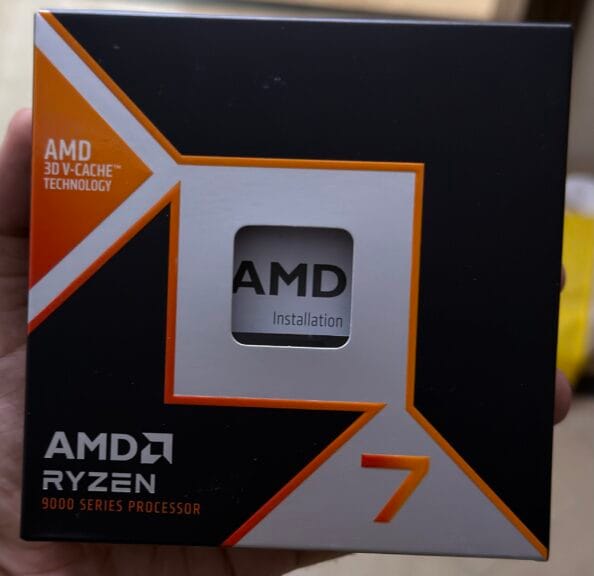
The Ryzen 7 9800X3D is AMD’s gaming-focused desktop CPU built on the Zen 5 architecture, and it’s the chip AMD designed specifically to lead in frame rates rather than raw multi-core throughput. It uses AMD’s second-generation 3D V-Cache, a large pool of extra cache stacked underneath the CPU cores instead of on top, which is a change from earlier X3D chips and is meant to run cooler while pushing higher clocks.
When did the AMD Ryzen 7 9800X3D come out?
The Ryzen 7 9800X3D launched on Thursday, November 7, 2024, arriving shortly after Intel’s Arrow Lake CPUs and just in time for that year’s holiday
As of mid-2026, it’s a mature, well-supported platform rather than a bleeding-edge new release, which is actually a strength for anyone worried about early-adopter issues.
Key Tips:
- Buyers who want a proven chip with two years of BIOS and platform refinement behind it
- Anyone comparing it against AMD’s newer 9850X3D, which launched January 2026
How much is the AMD Ryzen 7 9800X3D?
The 9800X3D launched at a $479 MSRP, and pricing has settled into a fairly predictable range since. Retail listings through 2026 have generally held between roughly $420 and $480 depending on the retailer and promotions, occasionally dipping lower during sales.
Price snapshot:
- Launch MSRP: $479
- Typical 2026 street price: $479 on newegg and $422 on amazon
Note: AMD’s newer Ryzen 7 9850X3D launched at $499 in January 2026, sitting just above it in the lineup
Caveats:
Prices fluctuate with retailer promotions and regional availability—treat any number here as a moment-in-time snapshot, not a fixed price.
What are the best uses for the AMD Ryzen 7 9800X3D?
This CPU is built around one job: maximizing gaming frame rates, especially in scenarios where the GPU isn’t the limiting factor. Its large 3D V-Cache gives games faster access to frequently used data, which shows up as smoother, more consistent frame rates rather than just higher peak numbers.
Best for:
- Competitive esports titles (CS2, Valorant) where CPU-bound frame rates matter most
- AAA single-player gaming at 1440p or 4K paired with a strong GPU
- Gaming-first builds that don’t also need heavy rendering or video export performance
Caveats:
It’s an 8-core chip, not the pick if your workload leans on many-core productivity tasks like 3D rendering or large-scale video encoding
Specifications of AMD Ryzen 7 9800X3D
Here’s the core spec sheet that matters for a build decision, based on AMD’s official specifications and independent testing.
| Spec | Detail |
|---|---|
| Architecture | Zen 5 (“Granite Ridge”) |
| Cores / Threads | 8 / 16 |
| Base clock | 4.7 GHz |
| Max boost clock | 5.2 GHz |
| L3 Cache | 96MB (2nd Gen 3D V-Cache) |
| Socket | AM5 |
| Default TDP | 120W |
| Memory support | DDR5, EXPO-rated kits |
| Process node | TSMC 4nm FinFET |
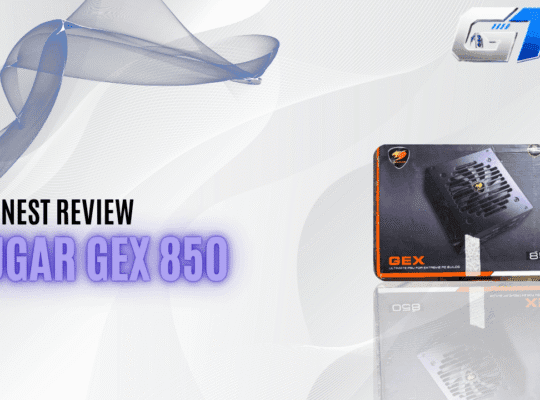
At 120W default TDP, the 9800X3D is easy to power, most quality 650W+ units handle it comfortably alongside a mid-to-high-end GPU. My own build runs a Cougar 850W supply, which leaves plenty of headroom for the 3080 and any future GPU upgrade.
How many cores does the AMD Ryzen 7 9800X3D have?
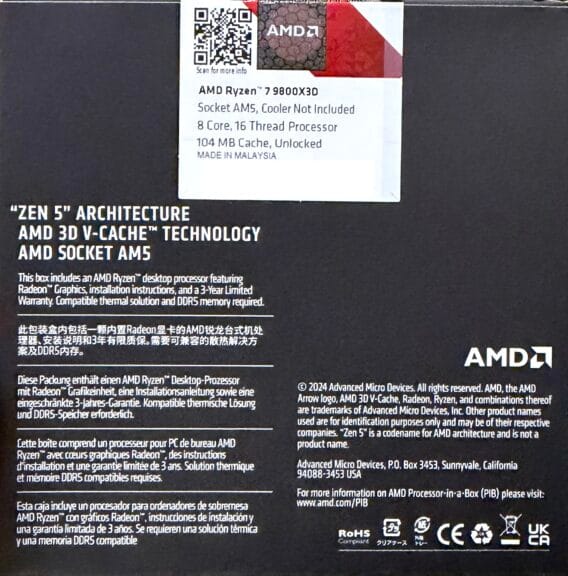
The Ryzen 7 9800X3D has 8 cores and 16 threads running on AMD’s Zen 5 architecture. That’s the same core count as its predecessor, the 7800X3D. The generational gains here come from clock speed and cache improvements, not more cores.
Best for:
- Gaming workloads, which rarely benefit from more than 8 fast cores
- Light multitasking alongside gaming (streaming overlays, Discord, background apps)
What motherboard for the AMD Ryzen 7 9800X3D?
The 9800X3D works with any AM5 motherboard, including B650, B850, X670, and X870 chipsets, the chipset tier doesn’t change the CPU’s gaming performance. What actually matters is VRM quality, PCIe 5.0 support if you want it, and whether the board’s BIOS already supports Ryzen 9000 series chips out of the box.
Best for:
- Budget builds: a well-reviewed B650 board with a solid VRM handles the 9800X3D without issue
- Mid-range builds: B850 boards add PCIe 5.0 support and modern connectivity at a reasonable price
- High-end builds: X870/X870E boards add USB4, stronger VRMs for sustained overclocks, and top-tier connectivity
Caveats:
- Older B650/X670 boards manufactured before late 2024 may need a BIOS update before they recognize the CPU, check for a “Ryzen 9000 Ready” label, or use BIOS Flashback if the board supports it
- A pricier motherboard does not increase gaming FPS on its own, that budget is usually better spent on GPU or RAM
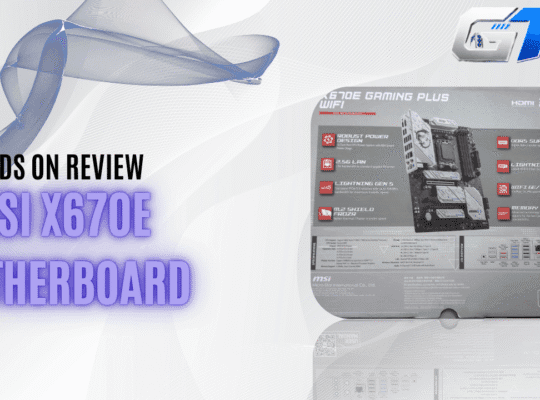
I use this processor with the MSI X670E motherboard. It is a good combo that delivers excellent performance during long gaming sessions. Here is the detailed guide to my 9800X3D with the MSI X670E performance.
What socket is the AMD Ryzen 7 9800X3D?
The Ryzen 7 9800X3D uses AMD’s AM5 socket, the same platform AMD has committed to supporting since Ryzen 7000. That means existing AM5 motherboard owners can often drop this CPU straight in, and the platform has a longer runway ahead compared to sockets nearing end-of-life.
Best for:
- Existing AM5 owners looking to upgrade CPU without a full motherboard swap
- Builders who want a socket AMD has committed to supporting through future CPU generations
Who Should and Should Not Buy the Ryzen 7 9800X3D
Not every build benefits from this chip, and being direct about that upfront saves you money either way.
Should buy:
- Competitive gamers who want the highest, most stable frame rates in esports titles
- AAA gamers running a high-end GPU at 1440p or 4K who don’t want the CPU as a limiting factor
- Anyone upgrading from a pre-X3D chip (5600X, 5800X, 11th/12th-gen Intel) who’s noticed stutter or frame dips in CPU-heavy scenes
Should consider alternatives:
- Content creators doing heavy rendering or encoding—a higher-core-count chip handles those workloads better
- Budget builders—the Ryzen 7 7800X3D delivers close to the same gaming performance for meaningfully less money, since it trails the 9800X3D by roughly 7-8% in most games according to WCCFTech’s testing
- Anyone gaming exclusively at 4K with a mid-range GPU—at that resolution the GPU is almost always the bottleneck, so a cheaper CPU won’t cost you frame rate
My Honest Experience with the Ryzen 7 9800X3D
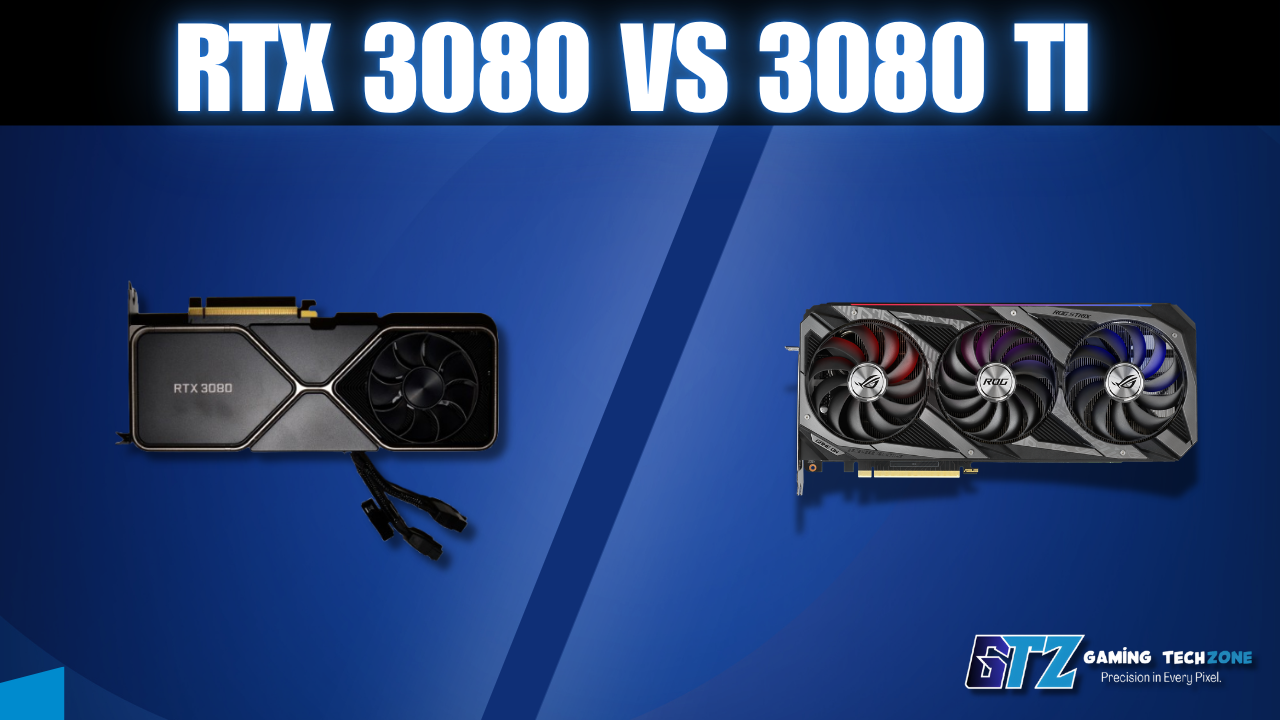
I’m running the Ryzen 7 9800X3D paired with an EVGA RTX 3080 on a 1080p 200Hz monitor, on an MSI X670 motherboard with a Cougar 850W power supply—and it’s genuinely delivering the best gaming performance I’ve gotten out of a build. The games I play most are GTA V, Valorant, and similar titles, and that mix is actually a useful real-world test case for this CPU.
Valorant is where the 9800X3D earns its reputation most clearly. It’s a CPU-bound esports title running at high frame rates, which is exactly the scenario 3D V-Cache chips are built for — the extra cache keeps frame times consistent even when the game is demanding rapid frame preparation from the CPU rather than heavy GPU rendering. On a 200Hz monitor, that consistency is what actually lets me feel the difference, not just see a bigger number.
GTA V tells a slightly different story worth being upfront about. It’s an older, less CPU-demanding title, and paired with an RTX 3080 — a strong card, but not a current flagship — the GPU is doing more of the heavy lifting at 1080p than the CPU is. In games like this, a 9800X3D won’t show off nearly as much of its advantage, because the 3080 becomes the limiting factor before the CPU does. That’s a genuinely useful thing to know before buying: this chip’s biggest gains show up in CPU-heavy, high-refresh esports scenarios, not necessarily in every title in your library.
One thing worth setting honest expectations:
Manual overclocking headroom is modest. Tom’s Hardware’s testing found that even a straightforward PBO boost-clock override produced only small, single-digit percentage gains in most games, which lines up with what I’ve seen on my own setup—this chip is already tuned close to its practical ceiling out of the box, so don’t buy it expecting overclocking to transform it further.
Final Verdict: Should You Buy the Ryzen 7 9800X3D?
The Ryzen 7 9800X3D earns its reputation through consistency, not just raw benchmark numbers: 8 cores tuned specifically for gaming, a large 3D V-Cache that keeps frame times smooth in CPU-heavy scenes, a mature AM5 platform with broad motherboard support, and pricing that’s settled into a predictable, fair range two years post-launch.
Having used it myself, I can back that up beyond the spec sheet — it’s currently the best gaming performance I’ve gotten from a CPU, and the GPU utilization gains alone justified the upgrade. If your build is gaming-first — especially at 1440p or 4K with a strong GPU — this remains one of the safest, most future-proof CPU choices you can make in 2026.
If your workload leans toward heavy production tasks, or your budget is tight and the 7800X3D’s small performance gap doesn’t bother you, it’s worth cross-shopping before you commit.
Ready to build around it? Check our guide to picking the right CPU for how the 9800X3D stacks up against other options on the table.
People Also Ask About the Ryzen 7 9800X3D
Stock has generally stabilized well past the early 2025 shortages, with major retailers like Micro Center, Newegg, and Amazon carrying it regularly through 2026
Enable Precision Boost Overdrive (PBO) in “Advanced” mode, set a +200MHz boost clock override, and use Curve Optimizer to reduce voltage per core for better sustained boost. Realistically, expect only small single-digit FPS gains in games — this chip runs close to its ceiling from the factory.
It has 8 cores and 16 threads, the same core count as the 7800X3D. The performance gains over the previous generation come from higher clock speeds and an improved 3D V-Cache layout, not additional cores.
Yes — it’s widely regarded as one of the strongest gaming CPUs available, largely due to its large 3D V-Cache improving frame consistency in CPU-heavy titles. It’s not the best pick, though, if your workload also includes heavy multi-threaded production tasks.
Unlikely, especially at 1440p and 4K where the GPU carries most of the workload. At 1080p with a top-tier GPU the CPU works harder, but the 9800X3D’s cache advantage is specifically built to minimize bottlenecking even at lower resolutions.