
The Gaming Brief:
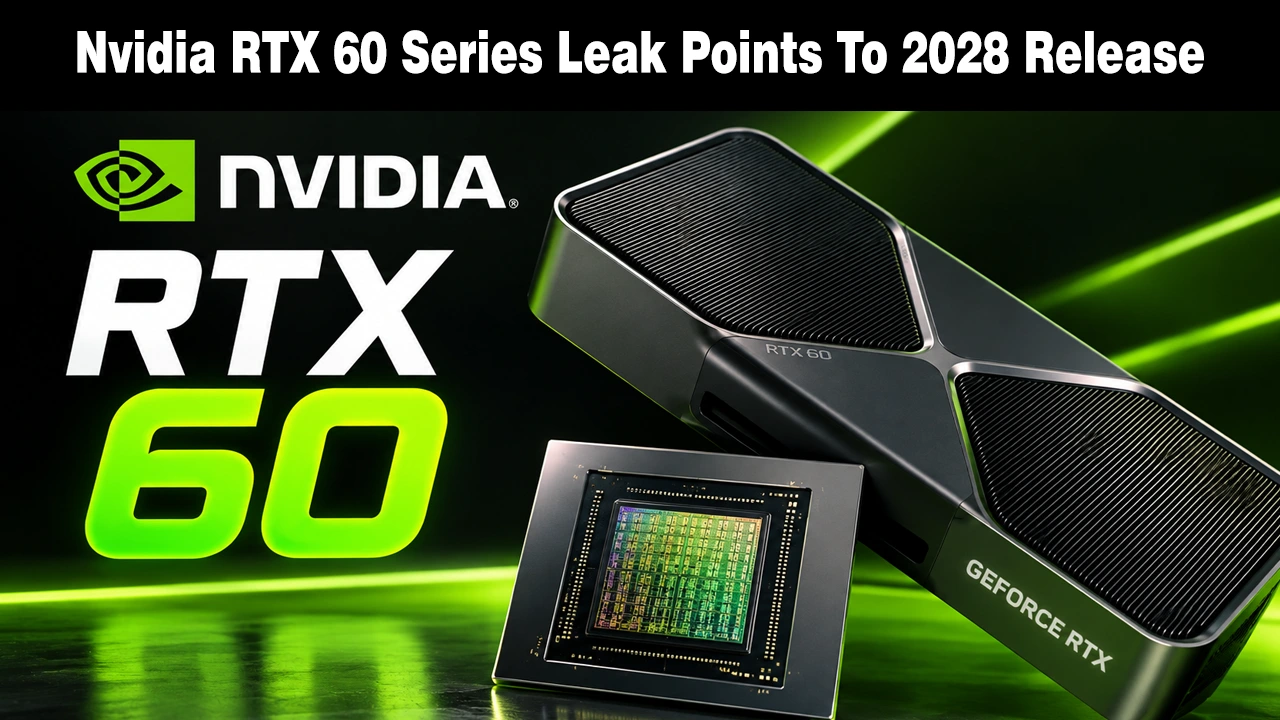
- Leaker kopite7kimi says Rubin-based RTX 60 GPUs (codenamed GR20x) are now a “2028 product,” pushed back from a previously rumored late 2027 window
- If accurate, it would mark the longest gap between GeForce generations since the 6-year wait between the GeForce 8000 and GeForce 400 series in 2006
- The rumored RTX 50 Super refresh is also reportedly stuck in limbo due to the high cost of 3GB GDDR7 memory chips
- RTX 5090 pricing has already spiraled past $9,000–$9,500 at third-party retailers amid the wait
If you’ve been holding off on a GPU purchase hoping Nvidia’s next generation is right around the corner, the wait just got longer.
Leaker kopite7kimi, who has a strong track record on Nvidia hardware, says the Rubin-architecture RTX 60 series, internally codenamed GR20x, is “a product from 2028,” walking back an earlier estimate of late 2027.
Nvidia hasn’t confirmed any RTX 60-series timeline, but if this holds, the practical takeaway is simple: buying a graphics card today means locking into a two-year hold until 2028
Kopite7kimi’s GR20x Timeline Breaks Nvidia’s Two-Year Rhythm
Nvidia has historically launched new GeForce generations roughly every two years; Blackwell arrived 27 months after Lovelace, and Ampere landed two years and one month before that.
While earlier leaks pointed to a 2027 window, leaker kopite7kimi’s updated 2028 GR20x timeline stretches that gap well beyond the norm, per Tom’s Hardware.
GamesRadar notes it would mark the longest wait between GeForce generations since the six-year gap between the GeForce 8000 and GeForce 400 series back in 2006.
For gamers used to skipping a generation and still landing on relatively fresh hardware, that math no longer holds.
The RTX 50 Super Refresh Won’t Bridge the Gap Either
Mid-cycle Super refreshes usually soften a long wait, but that won’t happen this time. According to Tom’s Hardware, the rumored RTX 50 Super lineup is finished, yet stuck in limbo.
The hold-up comes down to high costs, as the denser 3GB GDDR7 memory chips needed for these cards cost nearly triple the 2GB chips in current models.
That leaves current GeForce owners with no mid-cycle refresh to look forward to, let alone a full next-gen upgrade.
Data Centers Eat the Resources Consumer GPUs Would Normally Get
Both outlets point to the same underlying cause: Nvidia’s Rubin-based data center hardware is already shipping and expected to generate roughly $20 billion in Q3 2027 revenue alone, and wafer supply from TSMC is finite.
With enterprise and AI hardware pulling in far higher margins, consumer GPU development is reportedly getting squeezed on resources and priority.
Combined with RTX 5090 prices already topping $9,000 on the secondary market, Tom’s Hardware’s advice for anyone shopping right now is blunt: hang onto what you’ve got, because the “wait for next-gen” strategy just lost its usual two-year safety net.
Source: Nvidia’s next-gen RTX 60 GPUs might not be released until 2028
